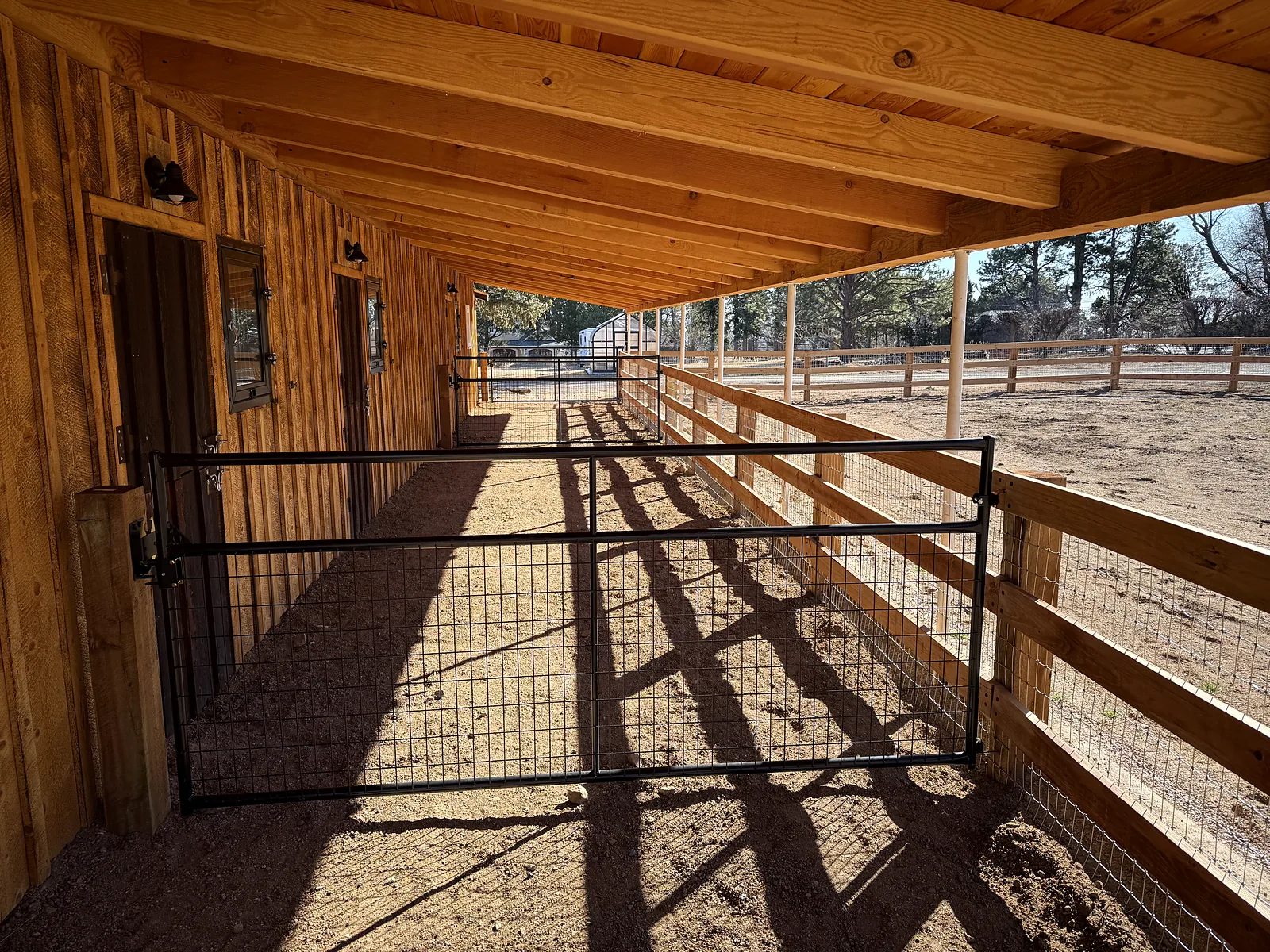
Wood ranch rail fence and pipe gate in a Colorado barn breezeway

Home/Ranch & Livestock

Ranch & livestock fencing · Colorado Fence built to turn stock.

Perimeter and cross-fencing, corrals and loading alleys, and gates — measured in feet, rods, or miles, and specified for what it has to hold.

Start here

The material is the last decision, not the first.

What the fence has to hold or keep out decides almost everything else — wire type, height, spacing, post material, and whether barbed is even permissible. Horses can’t have barbed wire. Goats need net wire. Elk pressure changes the height. Tell us the stock class and the rest follows.

Then it’s the ground. Rock, decomposed granite, and caliche cost more than any material choice you’ll make, along with draws, ditch crossings, and whether a truck and auger can drive the line at all.

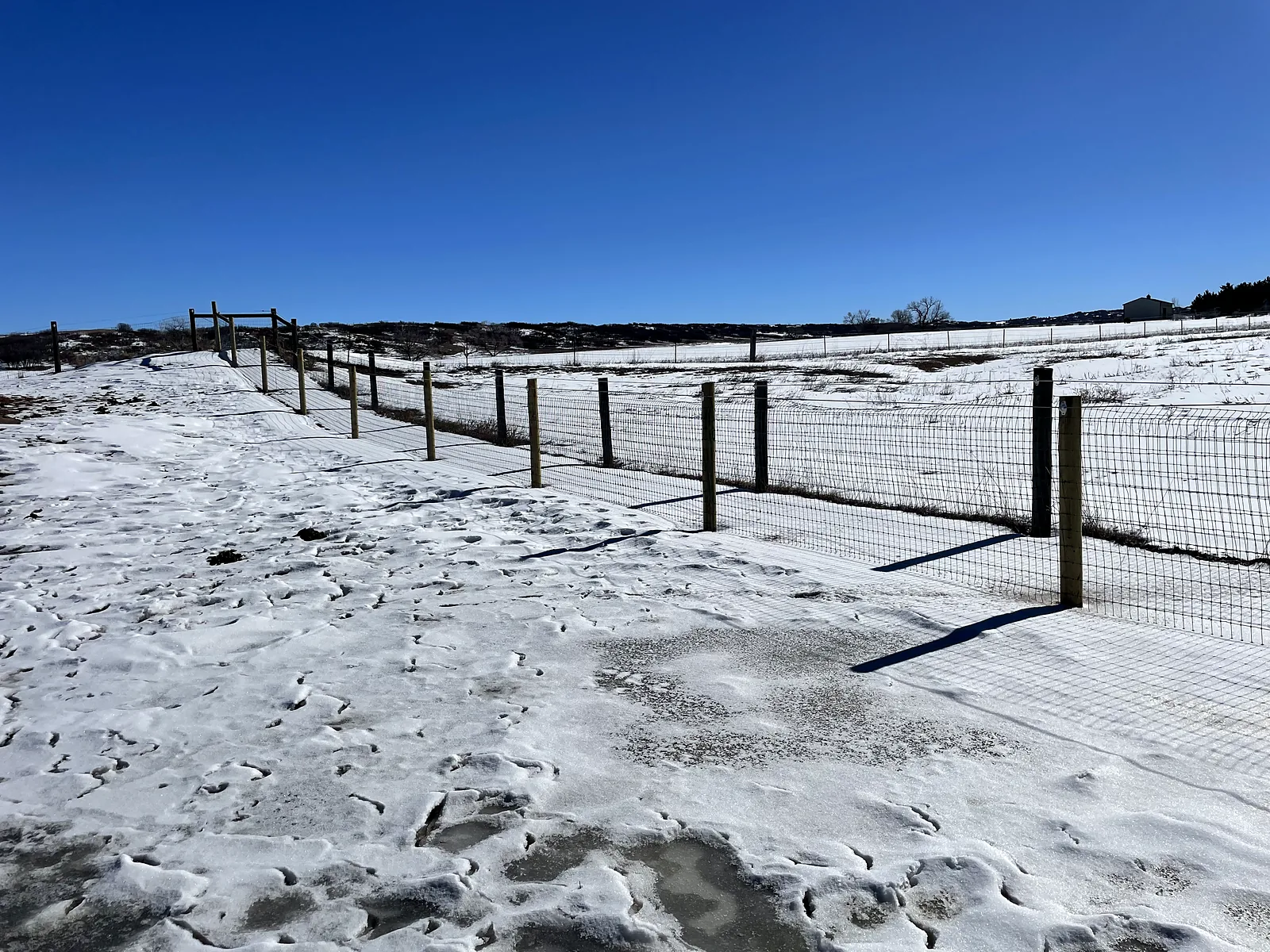
A woven wire field fence on wood and steel posts crossing a snow-covered field
Most requested

Cattle & livestock fence

Perimeter fence that has to hold cattle across rolling, rocky ground. Wire ships in 20-rod rolls and we price by the line, so tell us feet, rods, miles, or just the acreage.

  • Field fence & no-climb — woven wire for mixed and small stock
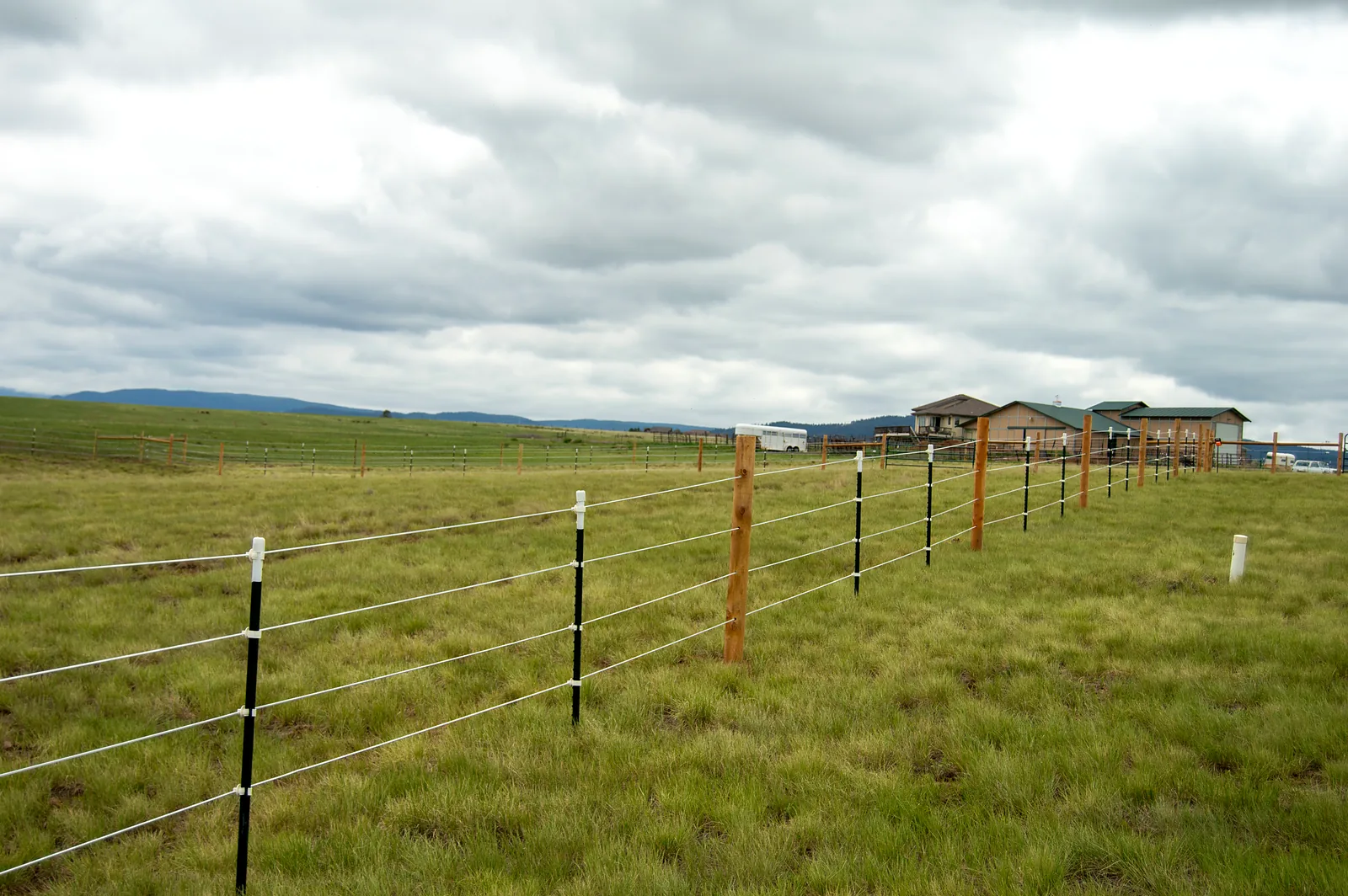
  • Smooth wire — high-tensile, wildlife-friendly spacing available
  • Post and dowel — the traditional Colorado ranch look, built to last
  • Welded pipe — where you want a line that never needs a staple
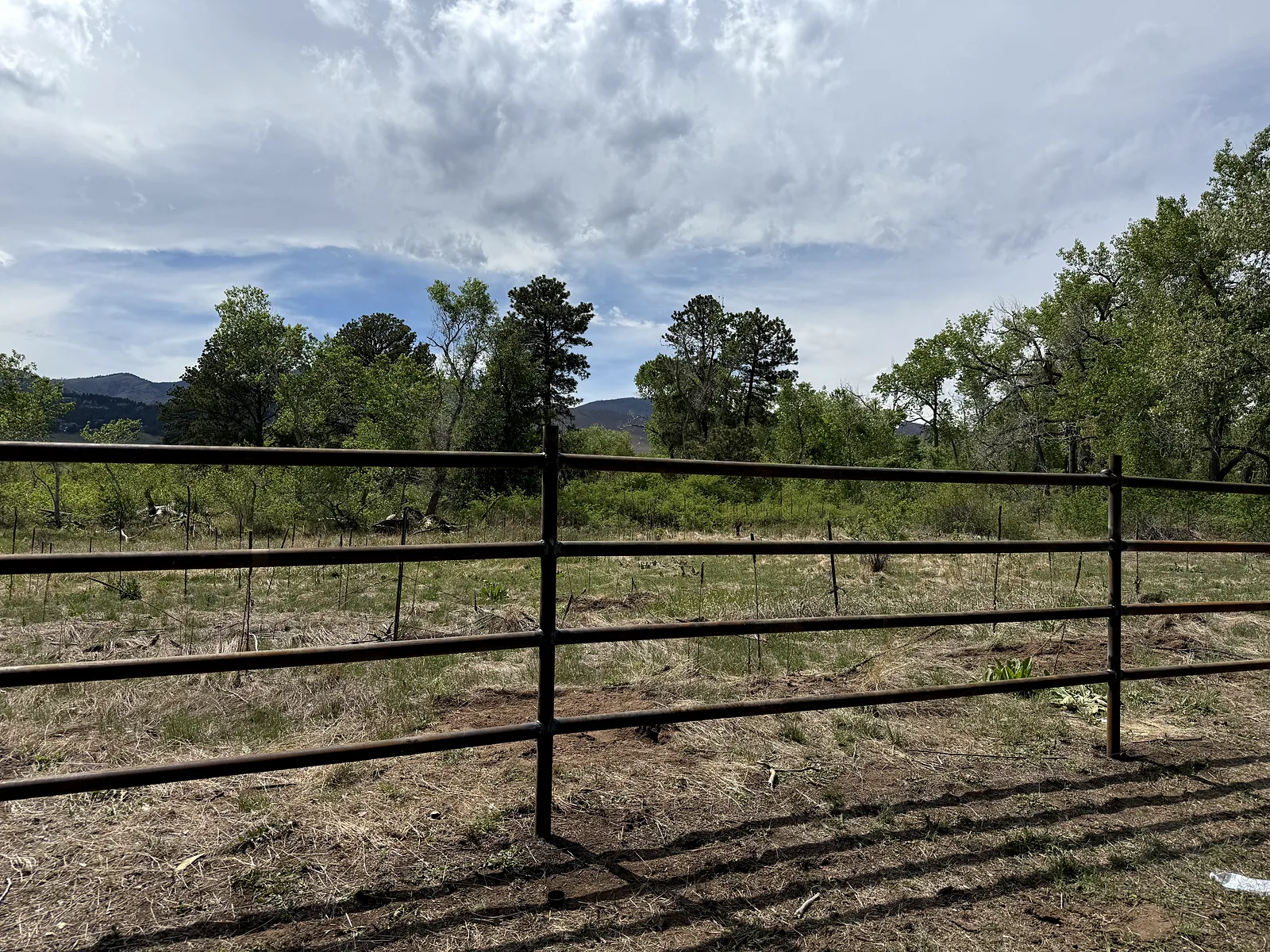
A black welded pipe rail fence along a pasture edge with trees behind

Horse fence

Nothing sharp, nothing a hoof can hang in, nothing that gives a horse a reason to lean on it.

  • RAMM flexible rail
  • Buckley ranch fence
  • White Lightning electric rail
  • Vinyl field fence (FinishLine)
  • No-climb woven wire
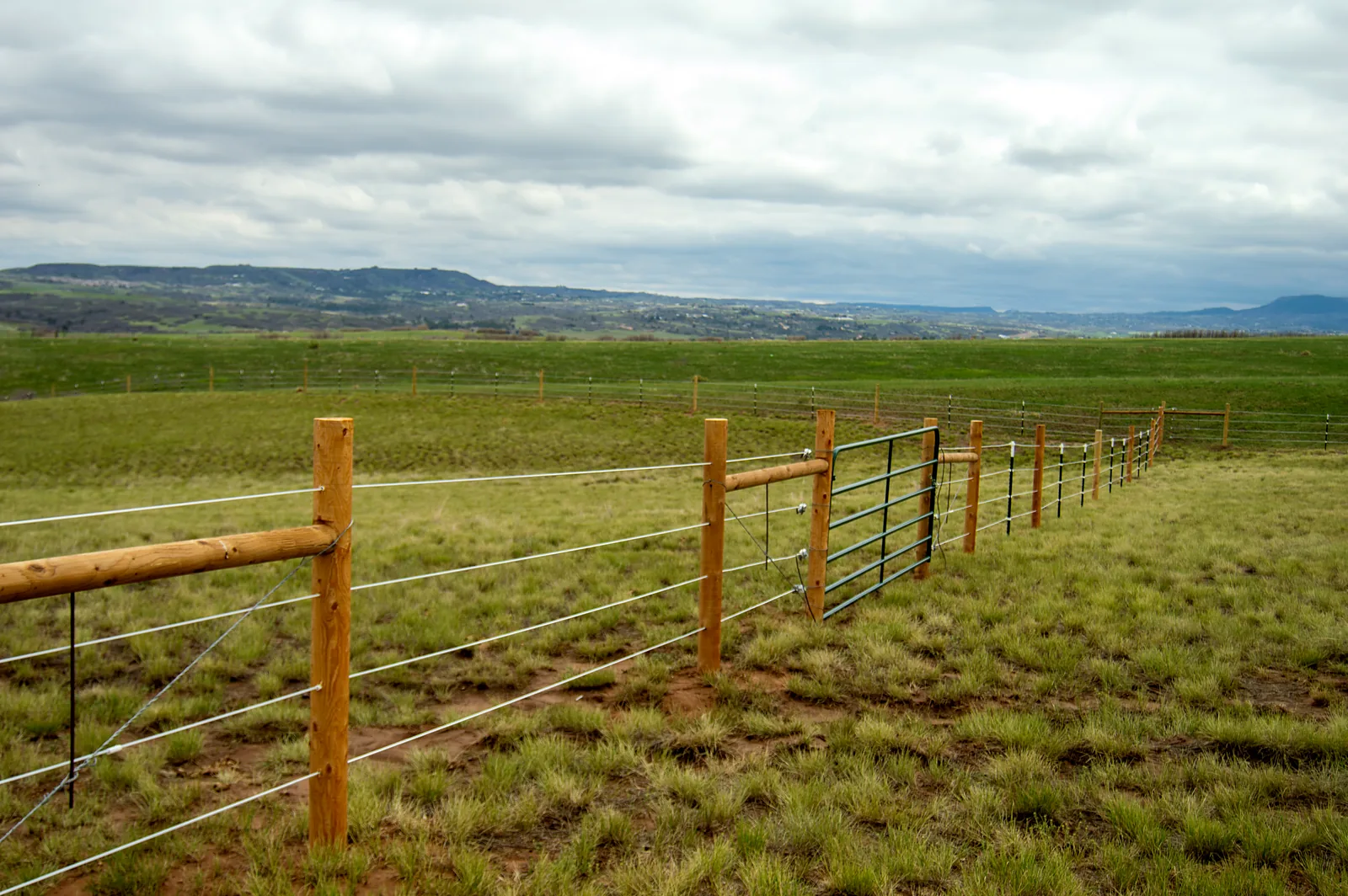
Wire cross-fence lines with wood posts and a pipe gate dividing open pasture

Cross-fencing & paddocks

Splitting a place into paddocks for rotational grazing, weaning pens, or a sacrifice lot. Built so gates land where you actually move stock.

  • Smooth wire, White Lightning, and field fence interior lines
  • Gate placement planned around your stock flow
  • Water gaps and lane crossings built in, not worked around
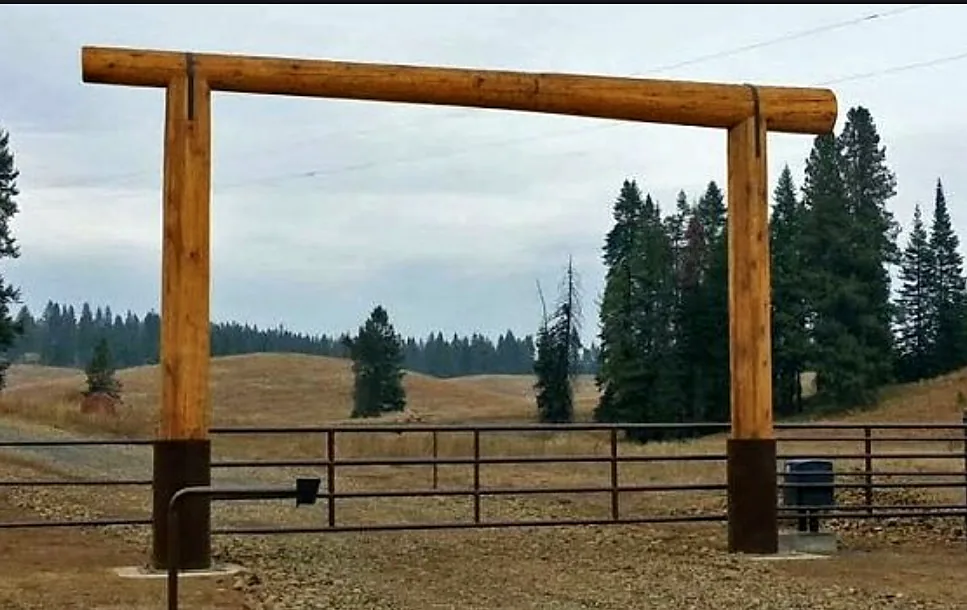
A log ranch entry arch above a pipe fence with pines behind
Built in-house

Corrals & gates

A gate is where a fence gets judged. Ours get built as good as the fence they hang in — and Colorado law says the same thing, requiring gates in a lawful fence to be as strong as the fence itself.

  • Welded pipe corrals, pens, and loading alleys
  • Drive-through and equipment gates, hung on set pipe posts
  • Ornamental iron entries where the drive deserves one

Worth knowing

Colorado is a fence-out state.

We build ranch fence on acreage across El Paso, Elbert, Douglas, Teller, Park and Jefferson counties.

What the law actually says

Under C.R.S. 35-46-101, a lawful fence is three barbed wires on substantial posts set roughly twenty feet apart — or any equivalent fence sufficient to turn ordinary horses and cattle — with gates as good as the fence. Colorado is a fence-out state: the burden sits with the landowner who wants livestock kept off. Keep a lawful fence in good repair and you can recover damages when stock breaks through it.

Colorado Revised Statutes, Title 35, Article 46. We build to the standard, but we’re fence builders, not attorneys — check specifics against the statute.

Wildlife-friendly spec, when the ground calls for it

Colorado Parks and Wildlife recommends a top wire no higher than about 42 inches with at least 12 inches between the top two wires so deer can clear it, and a smooth bottom wire at 16 to 18 inches so pronghorn can go under. It costs nothing extra to build a fence this way from the start, and it stops the annual repair bill that comes from elk and deer taking a fence apart to get through it.

Fencing with Wildlife in Mind, Colorado Parks and Wildlife.

How much fence is in your acreage

A square 40-acre parcel is exactly one mile of fence. Irregular ground always runs longer, and draws and creek crossings add more, but this is close enough to budget from before we come out and measure.

ParcelPerimeter if square
5 acres~1,870 ft
20 acres~3,730 ft
40 acres5,280 ft — one mile
160 acres2 miles
640 acres — a section4 miles

Common questions

Straight answers, before you ask.

How much does a ranch fence cost?

We don’t publish numbers, because on this ground a number would be a guess — and a guess helps nobody. What we can tell you is exactly what moves the price: the class of stock and the wire it requires, the ground and how much rock is in it, how many corners and braces the line needs, how many gates, how much old wire has to come out, and the drive time to get there. We walk the line, put those things in writing, and price it item by item.

How long does a mile of fence take?

On workable ground, a mile of four-strand runs a few days to a week with one crew. Rock changes that more than anything else — if we’re drilling instead of augering, expect the schedule to stretch, and we’ll tell you that when we walk it rather than after we start. Residential yards are usually a two- to four-day build.

Do you brace corners?

Every corner, every end, and double-H on long pulls. It’s the part of a fence nobody photographs and the part that decides whether the line is still tight in ten years.

Can you measure in rods, or work from acreage?

Either. Wire ships in 20-rod rolls, 320 rods to the mile, and plenty of people know their place by acreage rather than footage. Give us whatever number you have and we’ll work from it, then measure on site.

What about water gaps and creek crossings?

Built in from the start. A floodgate that’s designed to lay down and come back up beats a fence section that washes out every spring and takes the neighboring braces with it.

Do you handle permits and HOA approval?

Yes, where they apply. We’ll pull municipal permits and put together the drawings and material specs an HOA needs. Most acreage work doesn’t involve either.

Free estimate

Tell us about the fence line.

What it has to hold, roughly how much of it, and where the place is. Address, parcel number, or the nearest crossroads — whatever you’ve got.

Want a detailed price? Fill out the free estimate →